How to Maximize Your Time Talking To Supporters While Running Complex Auctions and Galas
No one wants to spend time administrating their event on gala night. In this blog haku shares how you can spend more time talking with your guests instead.
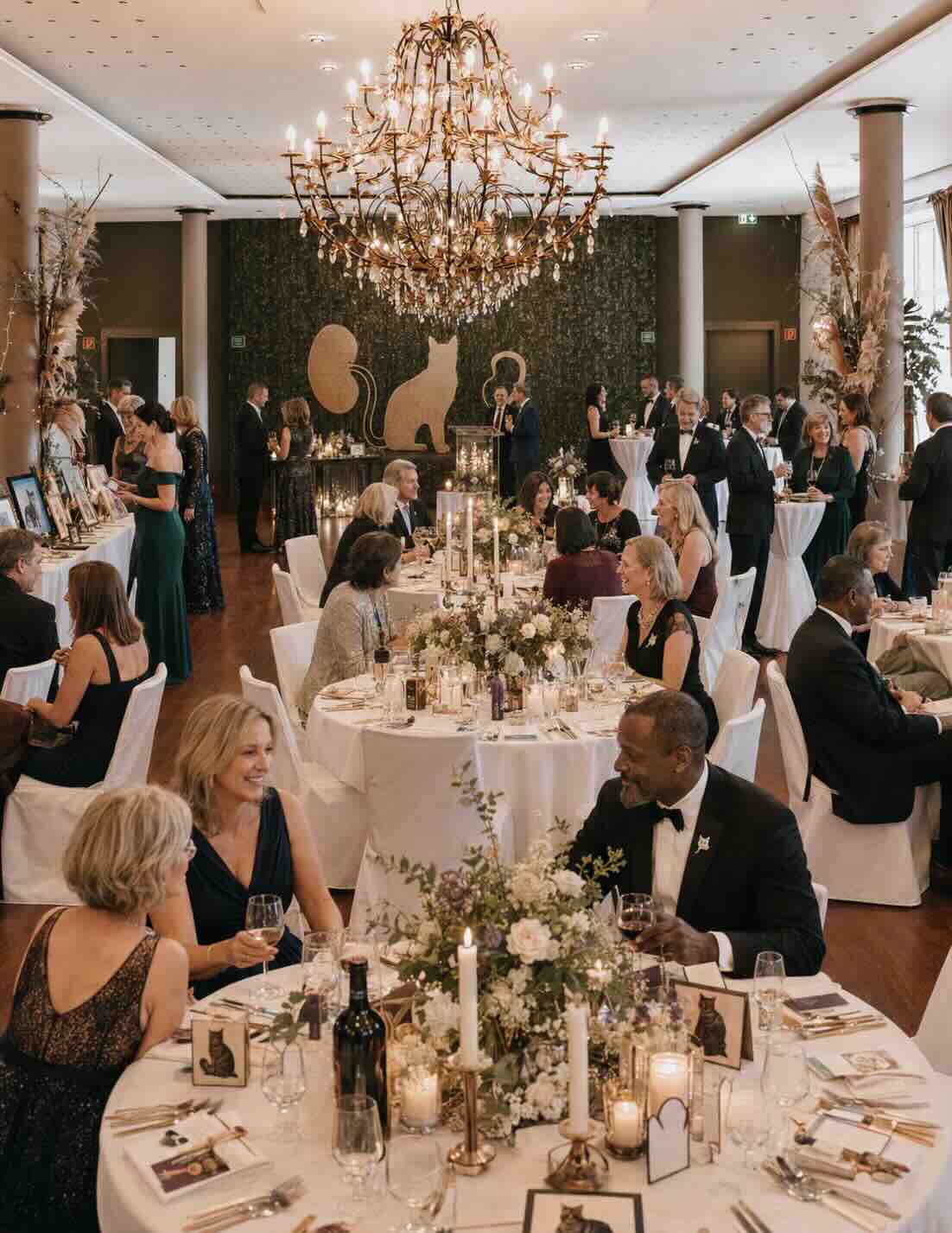
Good auction and gala technology does not pretend an event is simple. It handles complexity behind the scenes so staff can spend less time troubleshooting and more time with the supporters they came to see.
For nonprofit leaders, that means fewer interruptions during important conversations, fewer problems requiring senior staff attention, and more confidence that registration, bidding, payments, and follow up will keep moving without constant oversight.
Protect your team's attention for supporters when the room is most alive.
Build staff attention into the run of show
Most event plans budget money, rooms, equipment, volunteers, and minutes on stage. Few account for something just as limited: the attention of people responsible for your most important supporter relationships.
Before assigning event night duties, identify which staff members need to spend the evening listening, thanking, introducing, and learning. Then look for every task that could pull them away.
Your development leader should not become the default owner for ticket corrections. A relationship manager should not spend the reception matching bidder numbers to spreadsheets. Your executive director should not have to leave a sponsor conversation to track down the live appeal total.
Instead, give everyone a clear role. Relationship owners stay with supporters. Event staff monitor check in, seating, bidding, payments, and event activity. A small team handles problems with enough access and authority to resolve most of them on the spot.
When everyone knows who handles what, senior leaders do not have to become the event's universal troubleshooting desk. They can spend their limited time where it has the greatest value: strengthening relationships.
Give guests fewer reasons to ask staff for help
Every unnecessary explanation competes with the welcome.
Protecting staff time starts before guests arrive. Ticket purchasers should be able to assign or transfer tickets and update attendee information without a string of emails. Registration should collect names, contact details, preferences, and custom information your team will need later. Seating and bidder details should be ready before the check in rush begins.
At the door, one connected event day view can bring together ticket assignments, seating, bidder information, paddle numbers, and payment status. Fast QR check in means shorter lines for guests and fewer frantic searches for staff.
That changes the experience on both sides of the table. Guests get a smoother welcome. Staff can look up from their screens, recognize people, answer meaningful questions, and notice supporters who may need extra attention.
Inside the room, bidding and giving should be just as easy to navigate. Guests can scan a QR code to bid without downloading an app, set a maximum bid, receive timely auction messages, and give from their phones. Staff do not need to spend the night explaining mechanics that technology can handle for them.
After the auction closes, payments and fulfillment should continue without creating another manual project. Your team can focus on the handful of situations that actually need attention rather than rebuilding winner lists, chasing every payment by hand, and piecing together where items need to go.
Carry one supporter record through the whole night
A gala should not leave your development team with another disconnected set of data to clean up on Monday.
A ticket purchaser may not be the attendee. An attendee may become a bidder. A sponsor's guest may make a first gift. A volunteer may bring a friend who wants to learn more. Someone who has been quiet for two years may return because the mission has become personal again.
Those moments matter because an event is not simply a night of revenue. It is a concentrated opportunity to understand who is moving closer to your organization and why.
When ticketing, auction activity, giving, attendance, and communication history connect to one supporter profile, staff can understand an existing relationship without piecing it together from several systems. They can walk into a conversation better prepared and leave with a clearer sense of what should happen next.
Use that information with restraint. A supporter should feel recognized, not researched. Staff do not need to recite someone's giving history or mention every detail in their record. Information should help them remember a name, avoid an awkward mistake, make a thoughtful introduction, or recognize when a simple thank you matters more than another ask.
Better information should lead to better conversations, not more scripted ones.
Let technology handle repetition so staff can stay present
Auctions move quickly. Outbid alerts, closing reminders, bidder confirmations, receipts, winner instructions, and internal updates all need to happen on time. None of them needs a development director standing behind a laptop to make sure they do.
Automating repetitive communication gives your team more room for work that requires a person: welcoming a longtime donor, hearing why a first-time guest connected with the mission, introducing a supporter to a program leader, or responding thoughtfully when something goes wrong.
Technology can tell someone they have been outbid. It can send a receipt or explain what happens after a win. Your staff should be free to handle gratitude, judgment, trust, and relationships.
That distinction matters most during the busiest parts of the night. Every routine task your system handles is one less reason for a staff member to leave a conversation that could deepen someone's connection to your organization.
Decide who handles problems before doors open
Live events will always produce surprises. A guest arrives under the purchaser's name. A table host changes the seating plan. A payment method fails. A bidder does not receive a message. Someone needs an accessibility accommodation that was not recorded. Connectivity becomes unreliable just as the room gets busy.
Trying to prevent every possible problem is unrealistic. Making sure every problem has somewhere to go is not.
Set up one clearly identified place for troubleshooting. Give that team permission to correct common issues without hunting down a senior leader for approval. Decide ahead of time what they can resolve themselves and what genuinely needs escalation. Prepare for connectivity problems. Keep a small number of relationship leaders available when a situation is personal, sensitive, or important to a supporter relationship.
Your executive director, development leader, and relationship staff should be able to hand off a logistical problem and trust that someone will own it.
That trust matters. It keeps leaders from spending the night half-present in conversations because they are also monitoring everything that might go wrong.
Capture what mattered without turning staff into data-entry clerks
A meaningful supporter conversation loses much of its value if the next step remains in one person's memory.
That does not mean staff should pull out their phones and take detailed notes while someone is telling them why the mission matters. Give them a lightweight way to capture what another person needs to know once the conversation is over.
Record what mattered to the supporter, any commitment made by either side, what should happen next, who owns it, and when it should happen. A short internal form or mobile note can be enough. Reserve fifteen minutes after the event or first thing the next morning for relationship owners to finish their notes while conversations are still fresh.
Automation can help organize those notes, flag missing owners, and prepare follow up tasks. Staff can then review what happened and decide how to respond.
The payoff is not better documentation for its own sake. It is continuity. A supporter does not have to repeat themselves to the next person. A promised introduction does not disappear. A development officer can pick up a relationship knowing what happened in the room.
Follow up while people still remember how the night felt
Event follow up should reflect what each supporter actually experienced.
A first-time attendee, an auction winner, a bidder who did not win, a live appeal donor, a sponsor host, a volunteer, and a guest who experienced a problem should not all receive the same message on the same schedule.
Receipts, payment instructions, and fulfillment details can go out immediately. Personal follow up should begin while staff still remember the conversations and supporters still remember how the event made them feel.
Connected event and supporter data can help your team identify who needs attention and what happened during the night. Relationship owners can then decide who needs a personal note, a call, an introduction, an apology, an invitation, or simply a sincere thank you with no new ask attached.
For nonprofit leaders, this is where a well-run event begins to compound in value. Revenue raised that night matters. So do the relationships strengthened, new supporters discovered, commitments kept, and reasons people find to stay involved after the ballroom empties.
Measure whether your team got its time back
Revenue matters, but it does not tell you whether your event made good use of your people.
Look at how long check in took, how many issues required manual correction, how quickly problems were resolved, how many payments remained open, and how much fulfillment work spilled into the following week.
Then ask questions that connect event performance to your mission and development goals. Did priority supporters have meaningful conversations with the right people? Did staff capture what they learned? Were promised introductions and follow ups completed? Did senior leaders spend the night building relationships or troubleshooting logistics?
If the auction total rises while your development director spends the night resolving ticket problems, you have left relationship value on the table.
That does not mean lowering the ambition of the gala. It means building the next one so your team can raise money and be present for the people who made the night possible.
Good event technology gives your team more room for people
A gala or auction may be one of the most complicated nights on a nonprofit's calendar. It can also be one of the most valuable opportunities your team has to spend meaningful time with supporters.
Technology should help you get more from that opportunity, not give your staff another system to manage.
Bring ticketing, guest information, seating, bidding, payments, communications, and supporter history into one connected flow. Give routine work and common problems clear owners. Automate repetitive tasks. Make it easy for staff to understand who is in the room and follow through on what they learn.
Your leaders get more time with supporters. Your event team spends less time putting out fires. Your development staff starts the next morning with useful information instead of a reconstruction project. And supporters experience an organization that feels prepared, attentive, and genuinely glad they came.
Your team should leave the event remembering conversations, not the spreadsheets that kept interrupting them.
Ready to give your team more time with supporters?
Talk with haku about running galas and auctions through one connected platform, from registration and check in through bidding, payments, and supporter follow up.