How to Segment for Generational Relevance in Endurance Event Marketing
Runners reach the same start line through different journeys. Discover how generational segmentation helps endurance events reach every runner today.
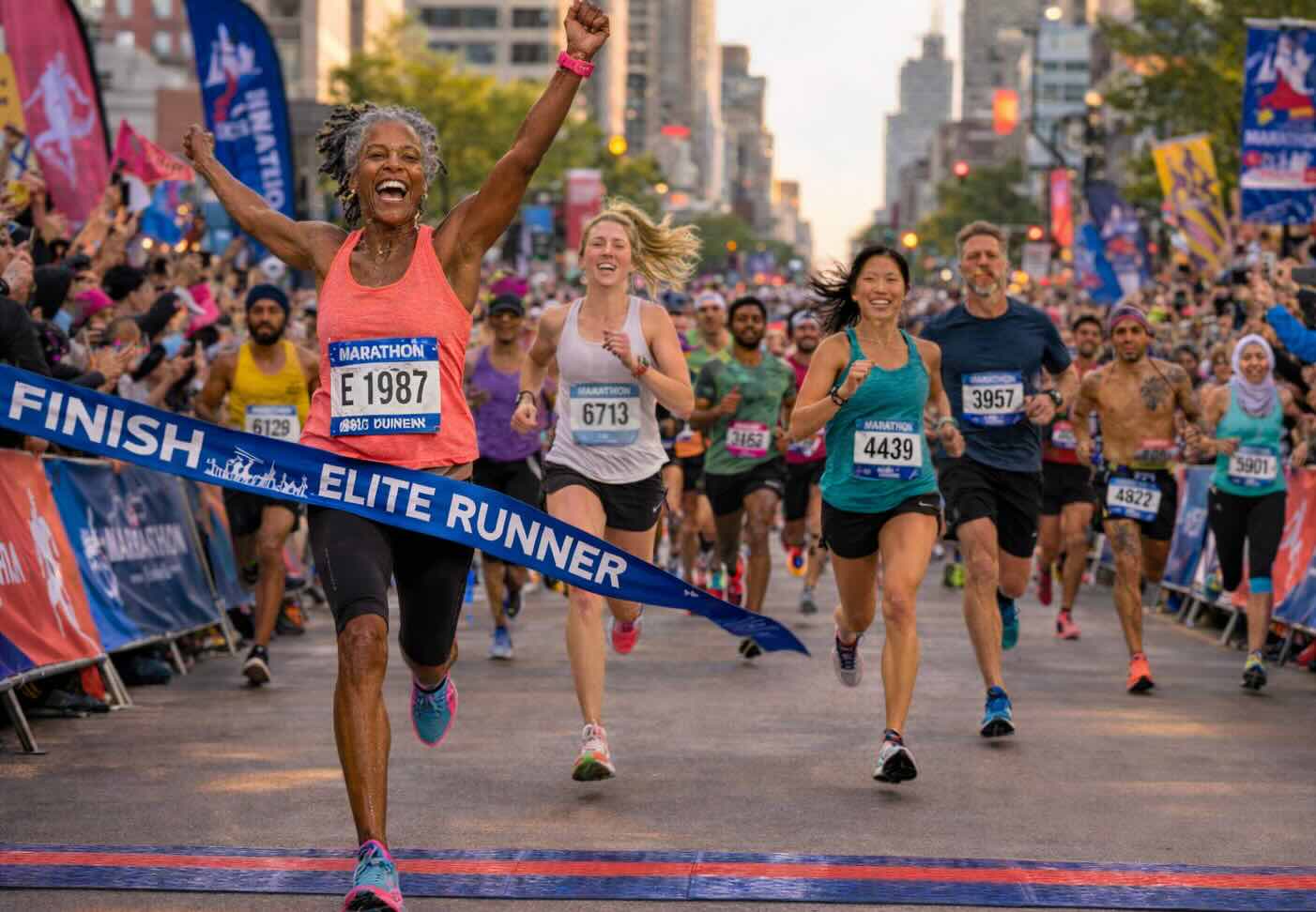
Walk through a marathon start corral and you will see how the endurance industry is evolving in real time.
A runner in their twenties will likely be document the morning on social media. A runner in their forties may discuss pacing strategy. A runner in their sixties could quietly prepare for another marathon.
They are running the same course, but they arrived there through different journeys.
Some discovered endurance through running clubs and decades of tradition. Others found their first race through a social video or a friend’s finish line post. Their expectations, motivations, and decision patterns reflect the environments in which they grew up.
For race organizers and endurance marketers, those differences matter.
Recent industry data reinforces how quickly the start line is shifting. Gen Z participation in endurance events has grown roughly 33% year over year, while Millennials now represent about 43% of participants, making them the largest cohort across most events.
Different generations discover races in different places, respond to different messages, and commit on different timelines. If every runner receives the same message, some audiences will connect while others quietly tune out.
Generational segmentation helps event teams communicate with runners in ways that reflect how they actually engage with endurance events today. If you’re curious how this works within the world’s only endurance-native CRM and all-in one endurance event management platform, check out our product tour detailing how you can segment by generation in haku.
Why Generational Segmentation Matters for Endurance Event Marketing
At a glance, endurance events seem universal. The course is the same for every runner, and the finish line is too, but the reasons people participate can vary widely.
Some runners pursue lifelong fitness and community while others chase a bucket-list achievement. At the same time, some are discovering the sport for the first time through friends or social media and some are coming back for the fortieth year in a row.
Segmenting communications by generation improves relevance without changing the event itself. The race experience remains unified. The marketing conversation becomes more personal.
Done well, segmentation helps organizers:
- deliver more relevant messaging
- communicate through the right channels
- align campaigns with participant behavior
- improve registration conversion
These differences increasingly show up in measurable race behavior as well. Industry data shows that participants are registering about 17 days earlier on average than the previous year, giving race teams a longer planning runway. Much of that shift is being driven by younger runners, with Gen Z registrations moving roughly 25 days earlier year over year. (Where did we get this data? New research using years of haku data, which will be shared shortly!)
Understanding who your runners are and how they behave makes it easier to design campaigns that match how different audiences actually commit to events.
Modern Marketing Requires Audience Intelligence
Today’s event marketers increasingly rely on participant insights to guide outreach.
Signals such as age demographics, prior participation, registration timing, and campaign engagement reveal patterns in how audiences respond. When those insights shape marketing workflows, communication becomes more targeted and effective.
Generational segmentation is often a practical starting point, especially if you haven’t used sophisticated segmentation techniques in the past.
What We Mean by Generations
Generations are demographic cohorts defined by birth years and shared cultural experiences.
People who grow up during similar technological and social shifts often develop similar expectations around communication and brands. In endurance events, those patterns appear in how runners discover races, how they register, and how they engage with the event community.
For this guide we use Pew Research generational definitions. These are:
Baby Boomers
Born 1946–1964
Generation X
Born 1965–1980
Millennials
Born 1981–1996
Generation Z
Born 1997–2012
Two additional cohorts exist but are not the focus of this article.
The Silent Generation (1928–1945) still participates in endurance events but small and quickly declining numbers due to age. At the other end, those born after 2012 are often referred to as Generation Alpha and are generally too young to participate independently, but will grow increasingly important in the coming years.
Put plainly, most endurance participation today falls within four cohorts: Gen Z, Millennials, Gen X, and Baby Boomers.
How Each Generation Engages with Endurance Events
Generational segmentation should be understood as patterns rather than stereotypes. These patterns help explain why certain campaigns resonate with some runners and not others.
Gen Z
Born 1997–2012
Approximate age in 2025: teens to late 20s
Gen Z is the first generation to grow up entirely in a digital world. Many discover endurance through social media, friends, or online inspiration.
Participation among this cohort is growing quickly. Industry data shows Gen Z participation in endurance events increasing roughly 33% year over year, making them the fastest-growing generation on many start lines.
For many in this cohort, running is both a sport and a personal milestone.
Communication preferences
- Mobile-first browsing and registration
- Social media discovery
- Short-form visual content
They tend to disengage when they encounter overly corporate messaging or complicated mobile experiences.
Marketing implications
Gen Z runners are often early in their endurance journey. Messaging that emphasizes beginnings and belonging resonates strongly.
Example messaging:
- Your first marathon starts here!
- Run your city with thousands of first-time runners.
Younger runners are also committing to longer distances earlier than many organizers expect. Participation by Gen Z in marathons has grown significantly year over year, challenging the assumption that the distance is dominated by veteran runners.
Effective tactics include social discovery campaigns, mobile-optimized registration, and storytelling that highlights first-time runners.
Gen Z represents the future pipeline of endurance participation.
Millennials
Born 1981–1996
Approximate age in 2025: late 20s to early 40s
Millennials form the backbone of many endurance events. Across most races, they represent roughly 43% of participants, making them the single largest generation on the start line.
They grew up alongside the internet and social media and are comfortable researching experiences before committing. Many evaluate races carefully before registering.
Communication preferences
- Email remains highly effective
- Social media drives inspiration and discovery
- Mobile and desktop both matter
Marketing implications
Millennials often treat races as meaningful personal milestones.
Messaging that resonates typically emphasizes achievement and the broader race weekend experience.
Example messaging:
- The race you’ve been training for.
- Run the city. Celebrate the finish.
Training-cycle email campaigns, participant storytelling, and destination race messaging often perform well with this cohort.
Generation X
Born 1965–1980
Approximate age in 2025: mid-40s to early 60s
Gen X runners often have long relationships with endurance sports. Many have completed multiple races over the years and value reliability and professionalism.
Communication preferences
- Email communication
- Desktop browsing
- Clear and practical messaging
Marketing implications
Campaigns that emphasize course quality, organization, and consistency tend to resonate.
Example messaging:
- A race worth returning to year after year.
- A course that rewards the work you’ve put in.
Alumni campaigns, loyalty messaging, and detailed race information are effective segmentation strategies for this group.
Baby Boomers
Born 1946–1964
Approximate age in 2025: early 60s to late 70s
Many Boomers entered endurance during earlier running booms and have long histories with the sport.
Participation may shift toward shorter distances, but loyalty to favorite races often remains strong.
Communication preferences
- Email newsletters
- Event websites
- Clear, detailed information
Marketing implications
Messaging that highlights lifelong fitness, tradition, and community resonates with this generation.
Example messaging:
- Run strong at every age.
- Join a community that has been running together for decades.
Alumni recognition and community storytelling are effective approaches for engaging this audience.
How to Apply Generational Segmentation in Your Marketing
Understanding generational behavior is only useful if it leads to better marketing decisions. In other words, the race experience stays the same and what changes is how that experience is presented to different audiences.
A Gen Z campaign might highlight first-time marathon stories. A Millennial campaign might focus on achievement and race weekend experience. A Gen X campaign might emphasize reliability and course quality. A Boomer campaign might highlight community and lifelong fitness.
Segment by Channel Behavior
Different generations discover races through different channels.
Gen Z often finds races through social platforms and mobile content. Millennials engage through both email and social media. Gen X and Boomers frequently rely on email newsletters and event websites.
Aligning campaigns with channel preferences improves reach and engagement.
Use Participant Data to Strengthen Segmentation
Generational segmentation becomes more powerful when combined with participant data.
Organizers often segment audiences based on factors such as:
- age
- previous participation
- registration timing
- distance preferences
When participant profiles connect directly to marketing workflows, communications can adapt automatically as new insights appear.
What to Consider When Targeting Specific Generations
Generational segmentation works best when applied thoughtfully.
Avoid Overgeneralization
Generations reveal patterns, not rules. Some older runners behave like digital natives, while some younger runners approach races like experienced veterans. Behavioral data helps refine segmentation.
Align Messaging With Life Stage
Age often reflects life stage. Younger runners may be exploring the sport for the first time, while mid-career participants balance training with work and family commitments. Older runners may focus more on longevity and community.
Marketing that reflects those realities tends to resonate more strongly.
Think Long Term About Participation Pipelines
Generational segmentation also reveals the future of endurance participation.
Younger runners entering the sport today may represent decades of participation ahead. Events that build relationships early often benefit from long-term loyalty.
The Strategic Takeaway
The endurance start line now spans multiple generations with different motivations, expectations, and communication habits.
At the same time, the demographics of participation are shifting. Millennials currently anchor most fields, while Gen Z is the fastest-growing generation and is entering endurance events (including marathons!) earlier in their running lifecycle.
Successful event marketing recognizes those differences and adapts communication accordingly.
When messaging aligns with generational motivations and behaviors, communication becomes more relevant, registration grows more predictable, and participant relationships strengthen over time.
If you’re ready to start getting smart about how you segment your audience for more effective messaging, check out our product tour or chat with one of our team members today!