The New Endurance Loyalty Model
Learn how to deliver the loyalty program your participants expect. In this blog you'll learn why you need a personalized, identity-driven program that builds belonging and community.
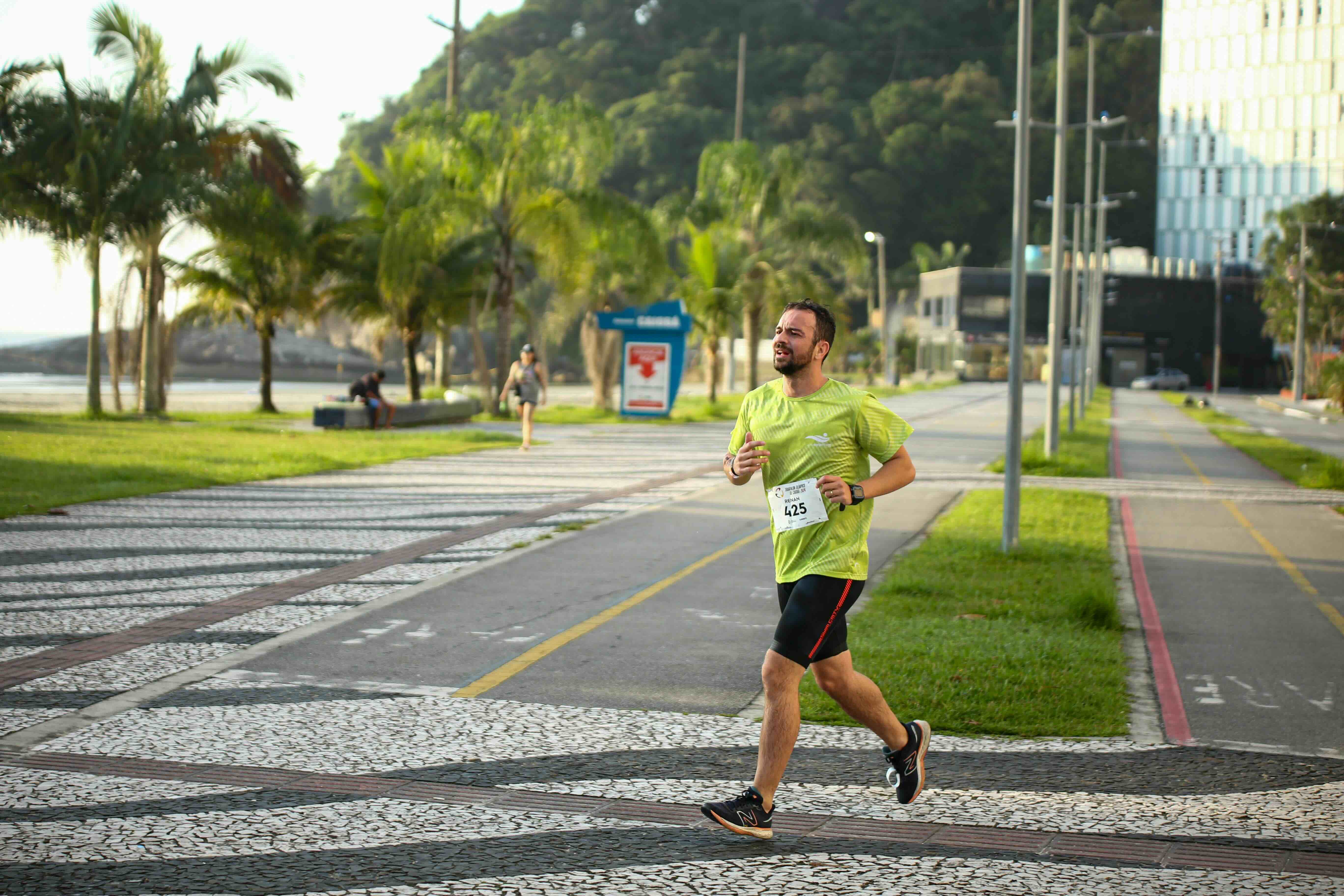
Reward Belonging, Not Just Attendance
Across consumer markets, loyalty is undergoing a generational reset. What once revolved around points, perks, and transactional rewards has shifted toward something deeper: identity, connection, and community. Millennials, but even more so Gen Z and Alpha, are choosing brands that make them feel like they’re part of something, not just recipients of discounts or freebies.
At the same time, loyalty saturation has reached unprecedented levels. With the average U.S. consumer now enrolled in 15+ programs, their attention is more divided than ever. We’ve said before, endurance events are competing not just with other races, but with airlines, retailers, restaurants, and fitness apps. What does that mean for endurance loyalty? Simply put, a once-a-year, participation-only loyalty mechanism simply doesn’t register in a world of weekly engagement and personalized experiences.
The Wake-Up Call for Endurance Events
For decades, endurance loyalty programs have followed a familiar pattern. Tell me if you’ve heard this one before:
Race again → earn a medal, bib, or streak badge.
But that model no longer matches how people engage with loyalty programs today. Counting someone’s participation is not the same as recognizing the fullness of your relationship with them.
If endurance organizations want to drive retention in a crowded market, they need to broaden their view of loyalty from a single day of participation to a year-round experience that reflects who athletes are and how they engage with your event long before and long after race day.
The Participation Trap
Participation-based loyalty has persisted largely because it’s simple: track attendance, reward repeaters, done. But this tempting simplicity is also the main limitation most current endurance loyalty programs face today.
First, participation rewards are retrospective and only celebrate loyalty after the fact. They don’t actively shape behavior or deepen a relationship over time. Instead, these programs acknowledge that someone already came back.
Second, participation rewards are homogeneous. It doesn’t matter why they return for another race. Whether someone comes back for community, personal growth, charity, competition, or a long-term goal, they receive the same token of appreciation. Meanwhile, the uniqueness of their motivation goes unrecognized.
Finally, these programs are forgettable in the modern loyalty landscape. Consumers interact with over a dozen sophisticated, personalized platforms weekly. By comparison, an annual medal or thank-you note naturally struggles to generate any emotional resonance. Remember, the world is oversaturated with loyalty programs. This means that low-frequency, low-personalization models just can’t compete.
It may sound contradictory to call participation a trap. Afterall, the goal of your program is to get more repeat participation! You don’t need to ignore participation entirely. Instead, to succeed, endurance organizations must expand loyalty beyond participation and into the realm of identity, progress, community, and values.
What Consumers Now Expect From Loyalty
Consumer expectations regarding loyalty programs have transformed. They’ve seen good programs and mediocre ones and are far more likely to remember and engage with loyalty programs that engage them appropriately.
People now expect loyalty programs to reflect their individuality with flexible, personalized experiences.
Gen Z takes this even further and Gen Alpha is hot on their heels. For them, loyalty is as much about recognition and belonging as it is about rewards. They engage most deeply with brands that acknowledge who they are, the causes they care about, and the communities they participate in.
Studies also show that many younger consumers have left programs because they felt impersonal or irrelevant. Conversely, programs that include active communities, that is those where members interact, contribute, and see themselves reflected, attract and retain younger consumers at significantly higher rates.
Why does this matter? Endurance organizers need to remember that your participants don’t exist in a vacuum. They actually bring their experience as consumers into their interactions with you. Their expectations have already been shaped by the loyalty ecosystems they use every day, so they walk into your event with a modern loyalty mindset whether you acknowledge it or not. We advise, you acknowledge it.
Reframe Loyalty as a Relationship Engine
To meet the heightened expectation of modern consumers, endurance organizations must redefine what loyalty means in this industry. You have to move from simple acknowledgement of how many times someone has raced to measuring and enhancing how deeply they feel they belong.
This reframing opens up the entire year before and after race day, as an opportunity to reinforce a relationship. Instead of rewarding athletes only when they cross your finish line, you can recognize the behaviors, identities, and contributions that shape their connection to your brand long before race day and long after.
This shift positions loyalty not as a tally, but as a relationship engine designed to cultivate belonging. It pulls on best practices from other consumer industries and gives you tools to generate more enthusiasm and repeat participation.
The Four Pillars of The New Loyalty Model
To operationalize this new model, endurance organizations can build loyalty around four pillars that reflect real human motivations.
1. Identity Loyalty
Reward them for who they are. Recognizing the unique story of every athlete builds their emotional resonance with your brand.
By creating meaningful cohorts like comeback customers, first-timers, streak holders, charity champions, or local legends, you give athletes a way to see themselves reflected in your brand. These identities can unlock recognition, status, early access, or simply a sense of pride.
Your goal should be to make participants feel “this organization sees me for who I am.” When you can do that, loyalty is a natural result
2. Community Loyalty
Reward them for who they run with. Endurance participants rarely exist in isolation. They run in groups, train with friends, and join local clubs. Recognizing community contributions amplifies this social fabric and weaves it together with the fabric of your community brand.
Reward team captains who recruit new participants. Celebrate volunteer leaders who show up year after year. Highlight mentors guiding first-time customers. Acknowledge club leaders who bring their community along.
By elevating these roles, you transform your brand from a standalone race into a social ecosystem, strengthening the bonds that keep people coming back. Even better, doing this encourages participants to bring others with them.
3. Progress Loyalty
Reward them for what they’re working towards. Measured by time spent, most of a runner’s relationship with your event happens during training, not on race day. Yet traditional loyalty models ignore this entire journey.
You can flip the script by recognizing progress. Give them recognition for completing training blocks, maintaining participation streaks, hitting milestones. This requires relatively little investment on your organization’s part, but ensures you stay relevant throughout the year. You tap into customers’ intrinsic motivations and show that you value their effort, not just their finish.
This form of loyalty is deeply personal, and because it acknowledges hard work, it builds genuine emotional attachment. Your brand becomes part of the journey, not just the final race.
4. Values Loyalty
Reward them for what they stand for. Today’s customers care about more than just running alone. Often, they’re running for a cause.
Loyalty programs can recognize charity fundraising milestones, sustainability actions, community service, or efforts to improve access and inclusivity. These touchpoints resonate especially with younger consumers, who increasingly align their loyalty with their values.
When an athlete feels that your event shares their purpose, loyalty becomes far more durable. “Every year, I run to support a cause” gives them a reason to come back time and time again.
What Loyalty Unlocks for Endurance Organizations
A broader loyalty model unlocks retention without relying on discounts, because emotional loyalty is stronger than transactional incentives. Building on the four pillars we shared above, a loyalty program can fuel referrals and advocacy, because community-driven loyalty naturally spreads. It creates year-round engagement, making your event relevant far beyond race weekend. Most importantly for your bottom line, it offers true differentiation in a saturated market where races often look and feel interchangeable.
Final Thoughts
An extra medal says, ‘thanks for coming back.’ A loyalty system beyond participation says, ‘you belong here even when you’re not running.’
It might seem difficult to develop a modern loyalty program at first glance. Here’s the good news. Even if you’ve been recognizing participation alone or even skipped building a loyalty program so far, it’s not too late to get ahead of the pack.
If you’re interested in building year-round loyalty with your participants, one that really moves the needle on retention, community building, and impact, haku can help. Check out pages on rewards and loyalty, or if you’re ready to talk, why not request a demo?
[Request a demo today]
Frequently Asked Questions About Endurance Loyalty
What is the new endurance loyalty model?
The new endurance loyalty model focuses on belonging rather than just attendance. Instead of rewarding athletes only on race day, it recognizes who they are, how they engage year-round, the communities they belong to, the progress they make, and the values they support. The goal is emotional loyalty, not just repeat participation.
Why don’t traditional participation-based loyalty programs work anymore?
Participation-based loyalty programs are simple but limited. They reward athletes only after they return, treat all participants the same, and lack personalization. In a world of highly tailored, weekly loyalty experiences, a once-a-year medal or badge rarely creates lasting emotional connection.
What do endurance athletes expect from loyalty programs today?
Today’s endurance athletes expect loyalty programs to reflect their individuality, values, and sense of belonging. Younger generations especially want recognition that feels personal and relevant. Programs that include community, identity, and shared purpose drive far higher engagement and retention than generic rewards.
What are the four pillars of modern endurance loyalty?
Modern endurance loyalty is built on four pillars: identity, community, progress, and values. Identity recognizes personal stories. Community rewards social contribution. Progress acknowledges training and milestones beyond race day. Values align loyalty with causes, charity, and impact that matter to participants.
How does a modern loyalty program help endurance organizations grow?
A modern loyalty program increases retention without relying on discounts by building emotional connection. It fuels referrals through community engagement, creates year-round relevance, and differentiates events in a crowded market where many races feel the same.
How does haku support loyalty programs that actually work?
haku supports loyalty programs by helping organizers reward meaningful engagement, not just race day participation. Rewards are personalized, rules run in the background, and redemption is simple, so teams spend less time managing logistics and more time building relationships. The result is year-round engagement, stronger community ties, and loyalty that actually feels earned, not transactional.