The Volunteer Experience Is the Event Experience
Most interactions that your customers have with your event brand will typically be with volunteers. If you don't proactively manage and orchestrate your volunteer experience, you're missing out on a powerful lever to influence your customer experience overall.
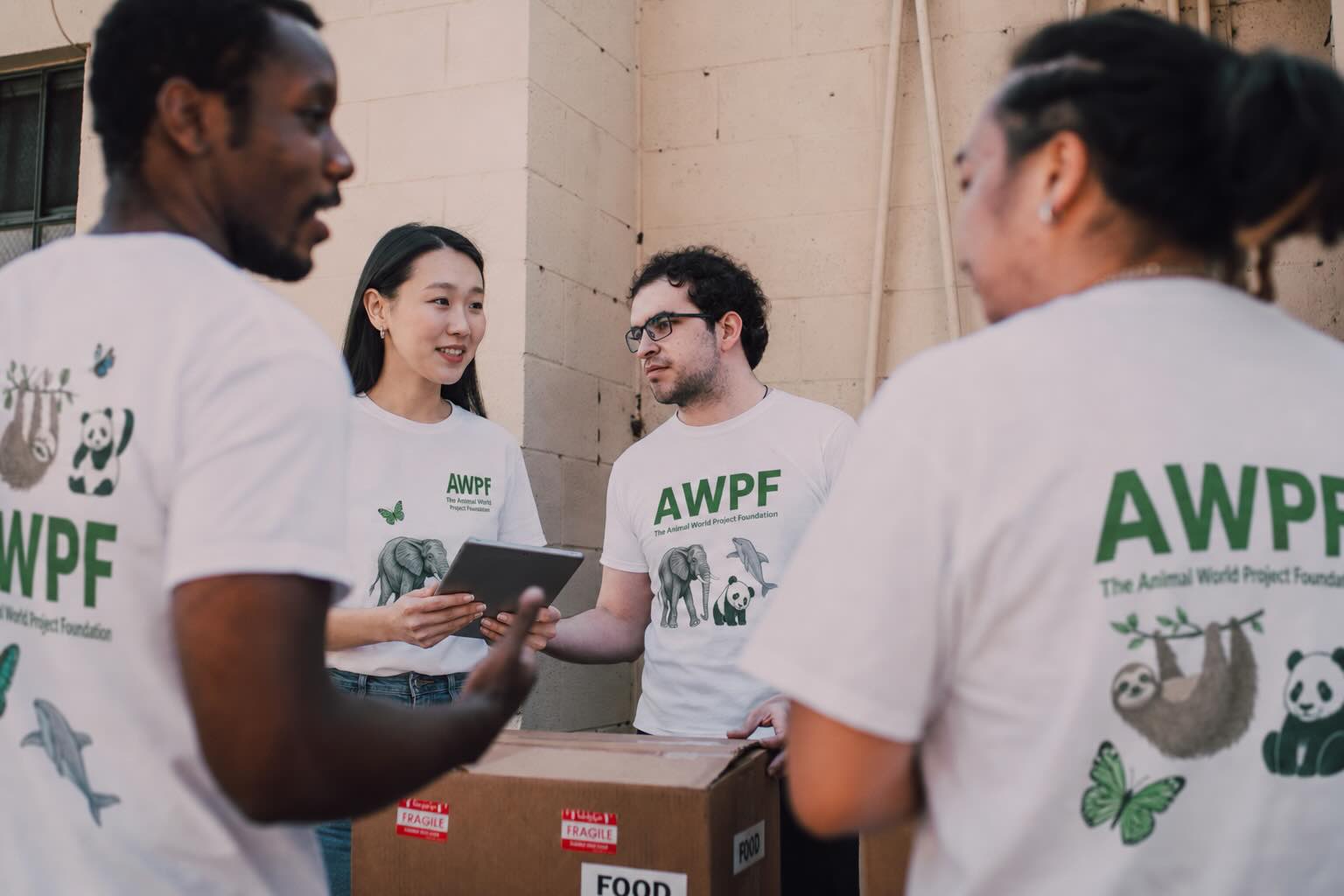
The person who shapes an event most may be standing in a parking lot before sunrise with a clipboard and nursing a cup of coffee, or the person scanning ids at an entrance.
They may be a course marshal keeping an intersection calm, an auction check-in volunteer, a help desk volunteer answering the same question for the 300th or even 3000th time, or someone at an aid station watching cup inventory before the next wave of runners arrives, or the volunteer who is helping people get their purchases after the event.
Those volunteers are often as dedicated to your event as your staff itself. Yet for all that, they may have received one confirmation email, one reminder, maybe a t-shirt, and a loose promise that someone would explain the job on site. Then event day arrives, and they become part of your brand.
That is the volunteer experience in many events today. If all you do is count how many people you need, assign them to stations, send a reminder, and hope your plan holds, you’re seriously undervaluing this critical part of your event.
Meanwhile, whether or not you have a sophisticated volunteer management process, your attendees and participants experience the whole thing differently. They feel whether volunteers are prepared and knows the answer to their question. When the only way to solve a problem is visiting three different desks, they know something is wrong.
Much like the platform you use to manage your event, your volunteers are an experience layer. When they feel informed, useful, and connected, your event feels stronger. When they feel confused, unsupported, or invisible, participants feel that wobble.
Treat volunteers like a segment
Many events still manage volunteers in a separate spreadsheet that wakes up a few weeks before event day. That creates more work than it saves, without even getting started on why that data lives in a spreadsheet.
Just like your donors, supporters, and customers, volunteers have histories. They have preferences. They have group affiliations, attendance patterns, role experience, and future potential.
Someone can volunteer at your spring 10K, be a bidder in your annual gala and auction, bring a corporate group next year, support a charity partner, buy merchandise for a friend and then volunteer again, or alternatively show up to volunteer for the first time with no prior interactions. When all of those interactions live in separate places, you lose the shape of the relationship.
In fact, you need to track the core signals that help you act, like:
- Who returned from last year
- Who checked in and completed a shift
- Which roles they worked
- Which groups filled assignments reliably
- Which volunteers prefer which specific roles at your event
- Which participants also volunteer across your event portfolio
- Which volunteers might respond to credits, perks, leadership opportunities, or early registration access
That information helps you stop rebuilding the volunteer base from zero. It also helps you communicate with more precision. One of haku’s customers even said that they do literally treat volunteers like a segment of their audience:
“When we transitioned to haku, we started registering all of our events of our volunteers through haku, just like we do our event participants. “
Volunteer problems become participant problems
Volunteer shortages have already changed operations. For example on the endurance event side, Triathlete reported that organizers of an Ironman event reduced and spread out aid stations when they could not fully staff the two-day event. The same article reported that events have had to cancel after recruiting only 20% of its minimum volunteer capacity.
Every event has its own market, community, and staffing reality. Still, the lesson carries across race formats: a volunteer gap rarely stays behind the curtain. It becomes a participant wondering why the race feels less buttoned up than the emails promised.
Runners do not separate paid staff, volunteers, contractors, sponsors, city partners, and vendors in the middle of race weekend. They remember the experience. That experience is an extension of your brand.
The impact can be dramatic. For example, a prepared volunteer makes the event feel energizing and on-track. A confused volunteer meanwhile can make your whole event feel confused or even mismanaged.
That puts volunteer management inside the work of safety, retention, participant trust, and brand delivery.
Repeat volunteers need meaning and management
Volunteers return when the experience gives them purpose, connection, clarity, and confidence.
A 2025 study found that community participation and personal experiences were among the strongest motivations for volunteers. Community participation, personal experiences, volunteering tradition, age, and lower egoism predicted intention to volunteer again.
For any event, those findings translate into everyday operational choices. They mean that you need clear:
Role descriptions to tell volunteers what they are signing up for. Is it cheering, lifting, checking credentials, answering participant questions, managing a group, or handling a safety-sensitive position? Be sure to include all the details
Targeted reminders to tell them what they need on event day. It includes information on where to park, when to arrive, who leads the shift, and what to do if plans change.
Check-in process to tell your team who showed up and where gaps remain.
Specific thank-you followup to tell volunteers their work had value.
That is what respect looks like in volunteer operations.
The volunteer lifecycle
By event week, your volunteer system is mostly revealing the choices you made earlier.
If the roles you defined are too vague, people ask basic questions late. If credentials were collected manually, approvals get stressful and provisioning access to check-in systems, kiosks, and terminals can get difficult. These and many more challenges can be prevented before the event if you communicate properly across the volunteer lifecycle.
Build the volunteer system before you need it
Events will always involve some improvisation because life happens. Weather changes, people cancel, and unforseen events are the norm. The plan has to bend, but that doesn’t mean you can afford to implement systems that break under pressure.
When your volunteer plan depends on heroic staff, scattered spreadsheets, and one mass email packed with every detail, you put extra pressure on the people carrying the most visible parts of the event. So don’t do that!
Treat volunteers as a core experience audience. You wouldn’t include “what to do if the wind is 50 kph” as a line item in participant instructions, or "how to proceed if someone shows up with three different +1s that didn't RSVP! You would send an update message to your runners. Do the same for your volunteers.
And look, your guests and participants may never use the phrase volunteer management. They will describe the outcomes they see in their own language: sign-in moved fast, questions could be answered without a hassle, and the event went smoothly.
The event felt like it had its act together.
Ready to make volunteer management easier?
haku helps nonprofits and endurance events coordinate, communicate with, and retain volunteers from the same platform they use to manage registration, event operations, CRM, and participant engagement. See how haku can help your team simplify volunteer management, strengthen event-day operations, and connect volunteer engagement with other activities.
Or, if you’re ready to chat, we’re ready to talk. Request a demo with haku today.